The Buffering Tax: Why Your Live Stream Is a Bad Betting Partner
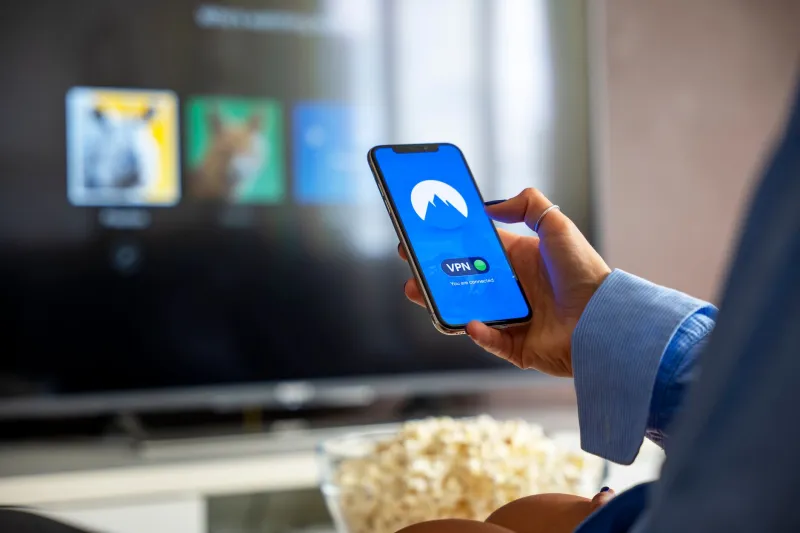
There's a moment every live bettor knows. The receiver breaks open, the quarterback lets it fly, and your stream erupts a beat later. You feel like you're watching the game. You're not. You're watching a replay with a short memory.
The Touchdown You See Is Already Old News
Live sports streams are not live in the way fans imagine. Between capture at the stadium, encoding, CDN routing, app buffering, and whatever your smart TV decides to do during a fourth-quarter drive, the picture on your screen can trail the real game by 15 to 45 seconds. Some setups are better. Some are worse. None are truly instant.
That matters because in-game betting markets do not wait for your app to catch up. Oddsmakers and automated pricing models consume faster data feeds — play-by-play, official scorer updates, venue stats, even courtside or sideline inputs. By the time your stream shows a completed pass, the market may already have repriced the next snap. By the time you see a touchdown, the extra point market might be settled.
This is the buffering tax. You pay it in information.
Why 20 Seconds Is a Lifetime in a Live Market
In a sport like football, 20 seconds is not a pause. It's a possession. It's a shift in field position, a timeout, a flag, a booth review. In basketball, it's a 6-0 run. In soccer, it's a counterattack that turns a draw into a lead.
Live odds are built to move on the same timeline. A sportsbook's trading desk doesn't need to know the final score to adjust a line. It needs to know what just happened and what's likely next. When a team crosses midfield, the next-score market shifts. When a star player limps, the spread moves. When a coach burns a timeout, the live total can blink.
Your stream is still showing the huddle.
That mismatch is not a glitch. It's the structure of the product. Sportsbooks are not selling you a seat in the stadium. They're selling you a market that updates faster than your eyeballs. The house doesn't need to cheat to win that race. It just needs to be closer to the source.
The Sportsbook Isn't Watching the Same Game You Are
This is where casual bettors get into trouble. They see a quarterback overthrow a receiver and think the drive is dead. They fire off a live bet on the punt. But the faster feed may already show a roughing-the-passer flag on the turf. The market has priced the penalty before your stream has shown the ref's mic.
Same story with injuries. You see a running back get up slowly. The sportsbook sees the training staff wave him off. You see a manager pull a pitcher. The market sees the bullpen door open. These are not secrets. They're just ahead of your feed.
And because live betting is now baked into every broadcast, every app, and every second-screen experience, the lag is no longer a niche tech issue. It's a betting issue. The same fan who checks a phone for score alerts is now competing against a market that already read the alert.
Social Alerts Are Faster, Not Smarter
This is why some bettors chase faster feeds. They buy the most expensive streaming package. They wire up an antenna. They follow team beat writers on social media. They keep a score app open on a second screen. None of that is crazy. In a live market, a few seconds can be the difference between a number that makes sense and a number that's already gone.
But faster is not the same as smarter. A social media alert can tell you a touchdown happened before your stream shows it. It cannot tell you whether the extra point was good, whether a flag was thrown, or whether the coach is going for two. It cannot tell you how the market has already adjusted. In fact, by the time an alert hits your lock screen, the sharp money may have already moved the line twice.
Chasing speed can also make you reckless. You start betting the alert instead of the game. You start treating a push notification like a scouting report. That's not an edge. That's just a faster way to guess.
What Bettors Can Actually Do With the Lag
The first step is acknowledging the lag exists. If you're betting in-game while watching a standard stream, assume you are looking at yesterday's news by a few seconds. That doesn't mean every live bet is doomed. It means you should stop pretending your eyes are the fastest data source in the room.
Practical adjustments are simple. Don't bet the exact moment you see a big play; the market has likely already repriced it. Be skeptical of live lines that look too good after a highlight, because the book may be pricing something your feed hasn't shown yet. And if you're using social alerts, treat them as confirmation, not revelation.
The bigger lesson is about information asymmetry. Sportsbooks don't need a perfect feed. They just need a better one than yours. The gap between the stadium and your couch is the product now. Every live market is a small auction, and the house is bidding with fresher news.
The Highlight Is the Receipt, Not the Tip
Highlights are great for the group chat. They're terrible as handicapping tools. A clip shows you what happened. It doesn't show you what the market knew before it happened. By the time the highlight rolls, the odds have moved, the live line has reset, and the next decision is already waiting.
In the 2026 NFL season, that delay will feel smaller than it is. The stream looks smooth. The score bug updates. The announcer reacts. But the market is still ahead, reading faster inputs and repricing the next moment before your TV catches up.
So enjoy the stream. Scream at the TV. Just remember the picture is running a few seconds behind the truth. In live betting, that's not a detail. That's the whole game.