The Mosaic Trap: Why Four Games at Once Makes You a Worse Bettor

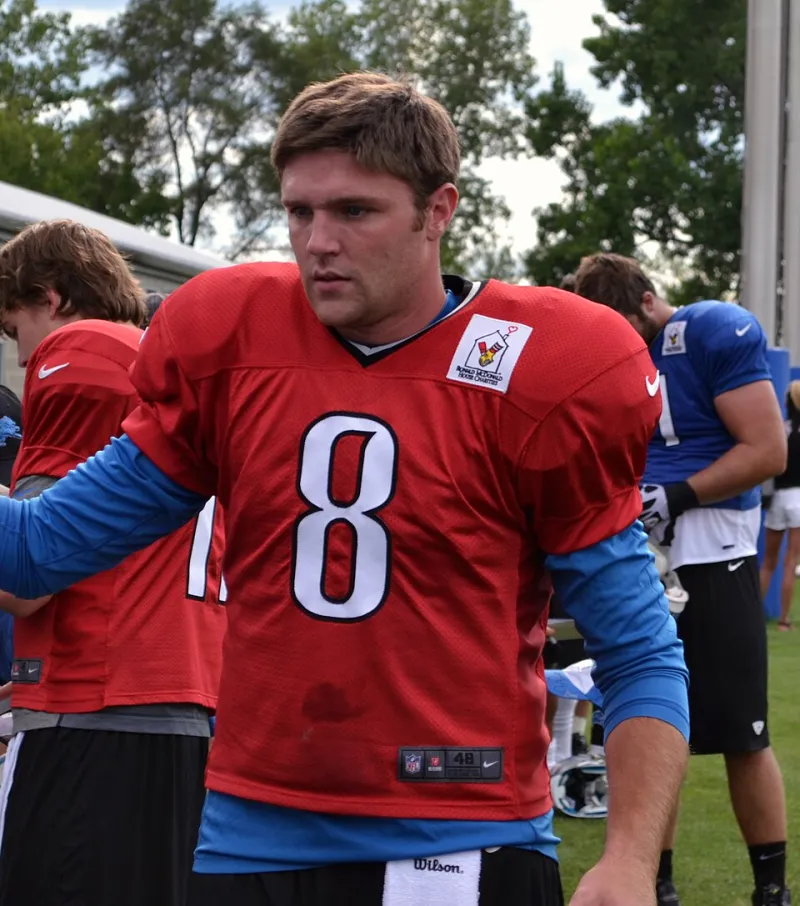
Photo: Dean Franklin, Public domain, via Wikimedia Commons
It's Sunday afternoon, the couch is earned, and the screen is split four ways. One game has a red-zone trip, another is in the two-minute drill, a third just showed a cart on the sideline, and the fourth is a blowout you're only watching because the box was empty. It feels like a command center. It feels like you're on top of everything.
That feeling is the product. In 2026, multiview is the default sales pitch for streaming platforms and live TV bundles—four games, six games, a mosaic that turns your television into a sports bar wall. It's a genuinely great way to watch football. It is also a genuinely terrible way to price a bet, and the gap between those two things is where a lot of bankrolls go missing.
The Screen Is Not a Spreadsheet
Multiview compresses context. You get score, clock, down and distance, and whatever graphic the network decides to flash. What you don't get is pace, personnel groupings, weather, referee tendencies, or the reason a team abandoned the run in the third quarter. You're seeing events, not process.
When four games move at once, your brain starts treating the grid like a dashboard. A touchdown here, a turnover there, a line move on the side. It feels like information. Mostly it's stimulus. The layout is a product decision made by people who want you to stay on the app, not a handicapping tool made by people who want you to win.
Attention Residue Is Real, and It Costs You
Every time you jump from one game to another, you carry a little emotional residue with you. A brutal bad beat on screen three makes you aggressive on screen one. A backdoor cover on screen two makes you overconfident about a live total on screen four. The games are independent. Your mood is not.
That's how a four-game mosaic turns into a five-leg parlay that's really just one feeling wearing different jerseys. You're not betting four games. You're betting the emotional weather of your living room.
False Correlation Is the Quiet Killer
Four games at once makes everything feel connected. It isn't. A red-zone trip in the noon window has zero bearing on whether a late-game cover hits. An injury cart in one game tells you nothing about the severity of an injury in another, and it definitely doesn't tell you how the market has already adjusted.
Multiview encourages a specific kind of mistake: treating simultaneous events as related evidence. You see a quarterback limping and a live line moving, and your brain writes a story. The market may have already priced the limp, the backup, and the drive script before you finished the sentence.
The Parlay Factory Has a Layout
Platforms know exactly what they're doing when they put same-game parlays and cross-game parlays one thumb-tap away from the stream. Low friction is great for entertainment and awful for discipline. Multiview plus quick bet equals a slip that becomes a scrapbook of what you saw, not a record of what you priced.
The grid makes cross-game parlays feel natural because you're already holding four games in your head. But holding four games in your head is not the same as handicapping four games. Usually it's the opposite. The more screens you add, the less attention each game gets, and the more you rely on the score bug to tell you what's happening.
A Framework That Keeps the Multiview, Drops the Trap
You don't have to cancel the mosaic. You just have to stop letting it build your slip.
Pick one anchor game. That's the game you actually handicap. The other screens are for awareness, fantasy football, and keeping an eye on your team. If you can't name the anchor before kickoff, you're not watching—you're scanning.
Pre-set the layout before the ball is snapped. Put the anchor in the biggest box and leave it there. Rearranging screens after a bad beat is just a physical tell that the grid is driving.
Cap live bets per window. Two is a reasonable number for most people. Write them down before the window starts. If a third idea feels irresistible, that's usually attention residue talking.
Separate pregame and live bankrolls. Multiview is a live-betting environment. Don't let a chaotic fourth quarter eat the unit you set aside for a number you actually researched.
Use a cross-game parlay delay. If you still like the four-leg slip after a commercial break, price it from scratch. Most of them don't survive the pause.
Mute the studio. Whiparound shows and red-zone channels are entertainment. They are not injury reports, and they are not predictive models. Treat the ticker like a headline, not a diagnosis.
Audit the session. Screenshot the slip and the screen layout. Ask yourself honestly: did I bet the game, or did I bet the grid?
What Multiview Is Actually Good For
It's excellent for entertainment, fantasy football, and scanning live odds movement across a slate. It's a great way to know what's happening. It's a bad way to decide what to do about it. Use it like a scanner, not a steering wheel.
The Bottom Line
Multiview is a feature. Your bankroll is not. The next time you open four games, decide which one is the bet and which three are background. If you can't tell the difference, you're not watching football. You're watching a parlay factory with a nice picture.